

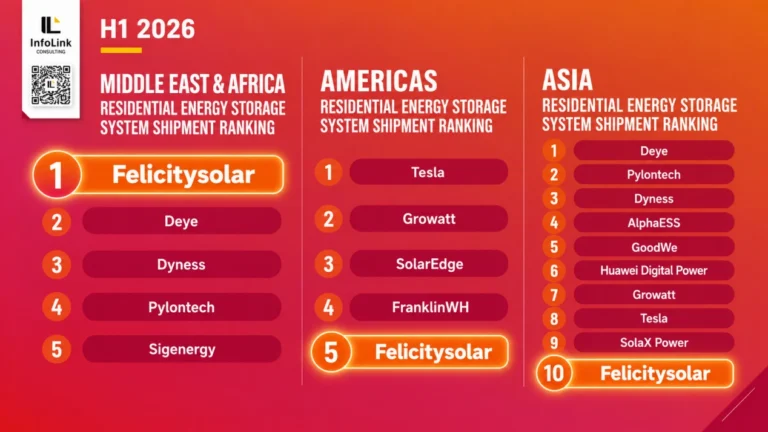
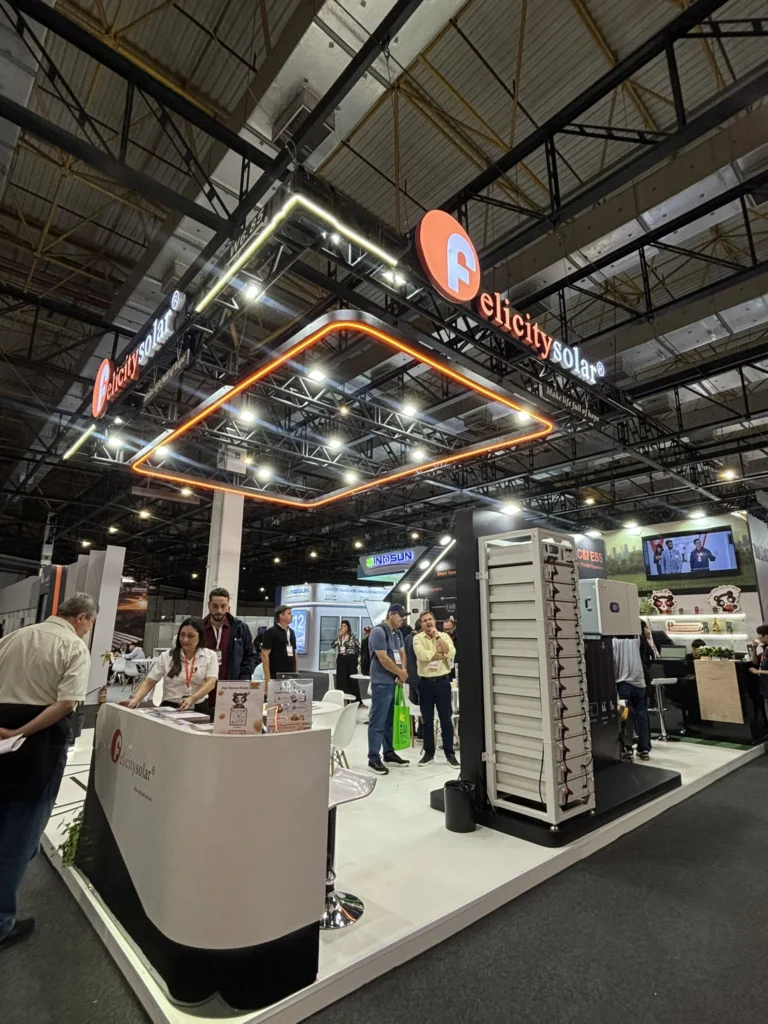
The answer to the question is yes—a Felicity solar inverter can meet both commercial and residential energy needs thanks to its high efficiency, flexible configurations, intelligent monitoring features, and compatibility with various solar energy systems.
As solar energy adoption continues to grow worldwide, both homeowners and businesses are looking for reliable solutions to manage and optimize their power generation. A Felicity solar inverter is designed to convert the direct current (DC) generated by solar panels into usable alternating current (AC) for homes, offices, factories, and other facilities. Whether your goal is to reduce electricity costs, achieve energy independence, or enhance power reliability, this inverter delivers tangible benefits across a wide range of applications.
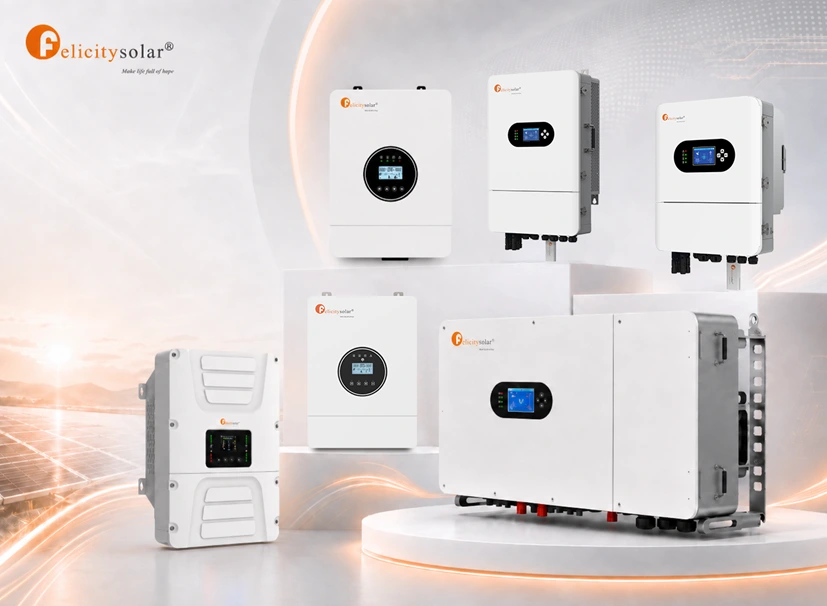
Technical Features That Enhance Performance
The performance of a solar inverter directly affects the efficiency and reliability of a solar energy system. Below is a comparison of common features found in a Felicity solar inverter and the benefits they provide.
| Feature | Function | Benefit |
| Hybrid Capability | Integrates solar, battery, and grid power | Greater flexibility |
| LCD Display | Shows system status and data | Easier monitoring |
| Remote Monitoring | Supports mobile or online access | Convenient management |
| Pure Sine Wave Output | Produces stable AC power | Protects appliances |
| Overload Protection | Prevents equipment damage | Improved safety |
Felicity Solar Inverter Solutions for Residential, Commercial, and Industrial Applications
Felicity solar inverter solutions are designed to deliver stable, efficient, and scalable energy conversion for different types of users, from households to large industrial facilities. As part of modern solar power systems, a high-performance solar inverter plays a critical role in converting DC electricity generated by solar panels into usable AC power. Felicity Solar systems are widely adopted due to their reliability, smart energy management features, and compatibility with battery storage systems.
Residential Applications: Smarter Energy Use for Homeowners
For residential users, a solar inverter plays an important role in reducing electricity costs and improving energy independence. Home solar systems are becoming increasingly popular as households seek more sustainable and cost-effective energy solutions.
- Lower electricity bills
Homeowners can rely on solar power to supply their everyday electricity needs, which helps decrease dependence on the utility grid. Excess energy can be stored in batteries for later use, improving overall energy efficiency. - Reliable backup power supply
When paired with battery storage, a solar inverter can automatically switch to backup mode during grid outages, keeping essential appliances such as refrigerators, lighting, routers, and security systems running. - Smart energy monitoring
Many modern solar inverter systems offer real-time monitoring through apps or digital displays, allowing users to track energy production and consumption for better optimization. - Environmentally friendly living
By using clean solar energy, households reduce dependence on fossil fuels and significantly lower carbon emissions.
Commercial Applications: Supporting Business Energy Efficiency
In commercial environments, energy demand is typically higher and more continuous, making a reliable solar inverter essential for cost control and operational stability. Enterprises benefit from solar energy integration, primarily in the following key areas:
- Reduced operating costs
Electricity costs account for a significant proportion of operating expenses. Solar energy systems help businesses reduce monthly utility bills and increase profit margins. - Improved energy independence
Businesses can generate their own electricity, reducing vulnerability to energy price fluctuations and grid instability. - Stable power for continuous operations
When paired with a battery energy storage system, a solar inverter system ensures an uninterrupted power supply for offices, retail stores, and service facilities during power outages or peak demand periods. - Support for sustainability goals
Many companies are adopting environmental and ESG strategies. Solar energy systems help reduce carbon footprints and support long-term sustainability goals.
Industrial Applications: High-Capacity Energy Management
Industrial facilities require large-scale, stable, and efficient power systems. High-performance solar inverters are crucial for managing heavy loads and ensuring the continuous, stable operation of factories, warehouses, and production facilities.
- High-power load support
Industrial equipment requires stable and continuous electricity. Advanced solar inverter systems are capable of handling large-scale energy demands efficiently. - Improved operational reliability
Power interruptions can cause significant production losses. Solar systems with battery integration help maintain continuous operations during grid failures. - Lower long-term energy costs
By integrating solar energy, industrial facilities can significantly reduce electricity expenses and improve overall cost-efficiency. - Flexible and scalable systems
Industrial solar inverter solutions can be expanded as energy demand grows, making them suitable for long-term development planning.
Certifications, Safety Standards, and Reliability Considerations
When selecting a solar inverter, certifications and safety features play an important role in evaluating quality and reliability. Depending on the specific model and market requirements, solar inverters are commonly designed to comply with recognized international standards.
In addition to certifications, many inverter systems include:
- Multiple protection mechanisms against overload, short circuit, overheating, and overvoltage.
- Durable construction suitable for long-term operation.
- Intelligent cooling systems that improve efficiency and equipment lifespan.
- Stable output quality to support sensitive electronic devices.
These characteristics contribute to the growing popularity of the Felicity solar inverter among residential and commercial users alike.
Conclusion
A Felicity solar inverter is well-positioned to meet both commercial and residential energy needs due to its combination of efficiency, flexibility, safety, and intelligent management capabilities. Homeowners can benefit from reduced electricity bills, backup power support, and greater energy independence, while businesses can lower operating costs, improve sustainability, and enhance power reliability.
FAQ
1. What specifications of the Felicity solar inverter does my home need?
The appropriate inverter size depends on your solar panel capacity and electricity consumption. Most residential systems use inverters ranging from 3kW to 10kW, while larger homes may require higher capacities.
2. Can a Felicity solar inverter work with lithium batteries?
Yes. Many Felicity solar inverter models are compatible with lithium-ion batteries as well as traditional lead-acid battery systems, offering flexible energy storage options.
3. Is a Felicity solar inverter suitable for off-grid installations?
Yes. Certain models are specifically designed for off-grid and hybrid solar systems, making them suitable for remote locations or areas with unstable grid access.
4. How long does a Felicity solar inverter typically last?
With proper installation and maintenance, a quality Felicity solar inverter can often operate efficiently for 10–15 years or longer, depending on environmental conditions and usage patterns.


