

When deciding whether to switch to solar energy, it’s important to understand how solar on-grid and off-grid systems work. While both systems harness solar power, they operate differently based on their connection to the grid and how they manage energy storage. Choosing the right system depends on your location, energy needs, and goals for energy independence.
What Is Solar On-Grid and Off-Grid?
The terms solar on-grid and off-grid describe two types of solar power setups:
- Solar On-Grid systems are connected to the local utility grid. These systems generate solar power that is used within the home, and any excess energy is fed back into the grid. In many regions, this can earn the homeowner credits or payments through net metering This system is ideal for areas where the grid is reliable, and solar power can supplement the electricity supply.
- Solar Off-Grid systems operate completely independently of the public grid. These systems capture solar energy and store it in batteries, ensuring that you have power even when sunlight is unavailable, such as at night or during cloudy weather. Solar off-grid systems are ideal for remote locations or properties where connecting to the public utility grid is either unfeasible or cost-prohibitive.

How Do Solar On-Grid and Off-Grid Systems Work?
- Solar On-Grid:
A solar on-grid system collects sunlight using solar panels and transforms it into electricity that powers your home. Any extra energy produced beyond immediate needs is sent back to the power grid. Homeowners often benefit from net metering, earning credits or payments for the surplus energy. During periods when solar production is insufficient, such as at night or on overcast days, the system automatically draws electricity from the grid to fulfill household demands.
- Solar Off-Grid:
A solar off-grid system operates similarly by harnessing solar energy, but instead of feeding excess power back to the grid, it stores the surplus energy in batteries for future use. This allows you to depend fully on solar energy, even during periods without sunlight. Since the system is not connected to the grid, it includes essential components like batteries, charge controllers, and inverters to manage and distribute the stored energy effectively when required.
Why Choose Solar On-Grid and Off-Grid?
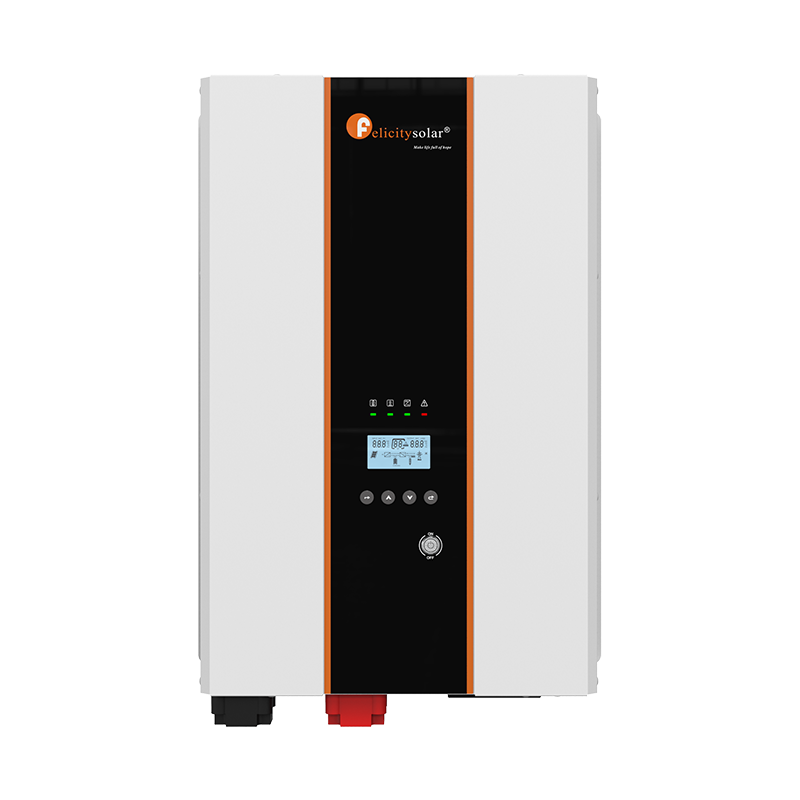
Choosing between solar on-grid and off-grid depends on factors like your energy requirements, location, and budget. Here are the key considerations:
- Cost Efficiency:
Solar on-grid systems are typically less expensive to install than solar off-grid systems because they don’t require batteries. Additionally, by selling excess power back to the grid, you can offset some of the upfront costs. Solar off-grid systems, while more expensive to set up due to the cost of batteries and storage equipment, provide complete independence from the grid, which can be beneficial for long-term savings and freedom from rising electricity prices.
- Energy Independence:
A solar off-grid system provides true energy autonomy. It’s ideal for off-the-grid locations or homeowners who prefer not to rely on the electricity utility company at all. If you want to minimize your dependence on the grid but still want a safety net, combining both solar on-grid and off-grid systems may offer the best of both worlds. This hybrid approach allows you to utilize grid power when needed and rely on your battery storage when sunlight isn’t available.
- Reliability and Flexibility:
Solar on-grid systems are best for those who live in areas with stable grid access. They allow for flexibility in energy usage, as you can tap into the grid whenever your solar production is insufficient. On the other hand, solar off-grid systems are perfect for locations where the grid is unreliable, or for those who simply want to ensure they have power at all times, even during outages or emergencies.
Conclusion
If you aim to cut electricity costs and still benefit from the grid, solar on-grid is the ideal solution. However, if your focus is on energy independence and having a reliable backup power source, a solar off-grid system may be the more fitting solution.By assessing your specific needs, location, and budget, you can choose the ideal solar power solution that will provide both economic benefits and reliable energy for the future.
At Felicity Solar, we specialize in providing high-quality solar solutions tailored to your unique needs. For more information or to get started, feel free to contact us today and take the first step toward a sustainable energy future.


