

Hybrid solar energy solutions are increasingly becoming a cornerstone of modern renewable energy strategies. These systems integrate solar power generation with energy storage capabilities, enabling both immediate consumption and stored electricity for later use. As the global demand for cleaner and more stable power supply continues to grow, hybrid solar systems provide a reliable alternative to traditional grid reliance. By 2025, more than 35% of new solar installations worldwide are projected to adopt hybrid designs, reflecting a shift toward sustainable energy independence.

I. How Hybrid Solar Energy Systems Work
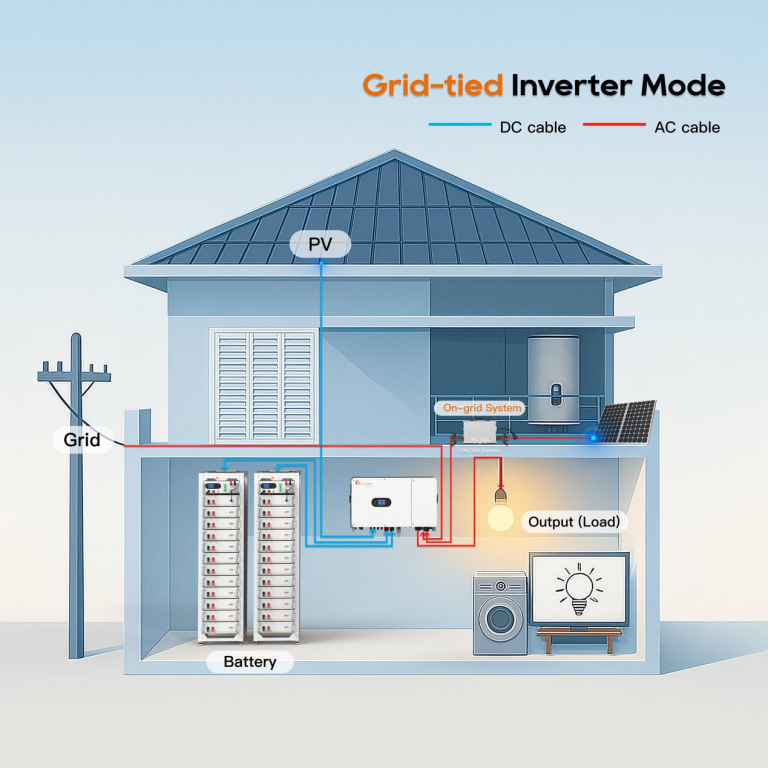
Hybrid solar energy solutions combine photovoltaic panels, hybrid inverters, and battery storage into one comprehensive network.
- Energy Flow and Storage
Excess power is stored in lithium-ion or other advanced batteries.
When solar production drops , stored energy supplies the connected loads.
- Grid Interaction
This connection enables homeowners or businesses to feed excess electricity back into the network and access grid power when their battery reserves run low, helping maintain stable and adaptable energy availability.
II. Specific Hybrid Solar Energy Solutions

(1)Balcony Energy Storage System Solutions
For users with limited space, balcony hybrid solar energy solutions provide an efficient entry point. A typical system integrates an 800W micro inverter with a 2.56kWh lithium battery, enabling households to power small appliances and reduce grid dependency.
Key Features:
- Space-efficient and easy to install
- Supports renewable integration for urban apartments
- Scalable capacity with modular battery packs
- Smart management through mobile or desktop apps
(2)Residential Energy Storage System Solutions
Residential hybrid solar energy solutions are designed for single-phase households requiring stable daily energy supply. One standard setup includes a 5kW hybrid inverter with a 5kWh lithium battery, enough to support essential loads such as lighting, refrigeration, and electronics.
Key Features:
- Maximum utilization of generated solar energy
- Simplified installation and maintenance
- Flexible system configuration for future upgrades
- Cost-effective for households seeking energy independence
(3)Commercial Storage System Solutions
Businesses often require higher capacity and advanced load management. Commercial hybrid solar energy solutions can support 20kWh–500kWh storage capacity, making them suitable for load shifting, backup power, and peak shaving.
Application Scenarios:
- Smart Loads: Intelligent lighting systems, building energy management
- Generator Backup: Critical infrastructure, remote power stations
- Micro-grid Integration: Campuses, islands, and military bases
(4)Commercial and Industrial ESS Solutions
For larger enterprises, commercial and industrial hybrid solar energy solutions are designed for grid interaction and economic optimization. These systems leverage peak-valley electricity pricing to achieve significant operational savings.
Key Features:
- High integration with modular design
- Easy expansion and remote diagnostics
- Efficiency rates above 95%
- Long lifespan with ≥6000 battery cycles
III. Key Components of Hybrid Solar Installations
The inverter acts as the heart of hybrid solar energy solutions, managing both solar power conversion and battery charging. High-quality inverters can achieve conversion efficiencies of 98% or more, significantly reducing energy loss.
Battery packs are a crucial element of hybrid solar energy solutions, responsible for storing excess power generated during daylight hours for later use. These packs often use lithium-ion or lithium iron phosphate (LiFePO4) cells, known for their stability and extended service life. Residential systems typically range from 5 kWh to 20 kWh, while commercial installations can exceed 100 kWh, depending on demand.
IV. Applications of Hybrid Solar Energy Solutions
- Residential Homes: Reduce monthly bills by 30–50% while providing backup during outages.
- Small Businesses:Improve energy resilience and lower operational costs in regions with unstable grids.
- Remote Locations:Power cabins, islands, and rural areas without costly grid extension.
- Industrial Facilities: Enable peak-load management and carbon footprint reduction.

V. Advantages and Limitations
Advantages:
- Energy Independence: Minimize reliance on the power grid and gain autonomy.
- Cost Efficiency: Store low-cost electricity and use it during peak hours, saving up to 25% annually on bills.
- Sustainability: Reduce CO₂ emissions by integrating more renewable energy into daily consumption.
- Scalability: Systems can be expanded as energy needs grow, supporting modular battery additions.
Limitations:
- High Initial Cost: Installation may cost 20–30% more than standard PV systems.
- Battery Lifespan: Although modern batteries can exceed 6000 cycles, replacements may be required after 10–15 years.
- Conversion Losses: Hybrid systems typically experience 5–10% energy loss during storage and discharge.
- Space Constraints: Larger setups require dedicated installation areas for batteries and equipment.
VI. Frequently Asked Questions (FAQ)
Q1. Are hybrid solar energy solutions worth it for small homes?
A:Yes, even homes with low energy consumption benefit by lowering electricity bills and maintaining power during outages.
Q2. How long do hybrid solar systems last?
A:The PV panels typically last 20–25 years, while batteries may need replacement after 10–15 years depending on usage.
Q3. Can I upgrade my existing solar system into a hybrid one?
A:Yes, adding a compatible hybrid inverter and battery storage can transform a standard system into a hybrid setup.
Q4. Are hybrid solar energy solutions eco-friendly?
A:By reducing grid dependency and fossil fuel consumption, hybrid systems significantly cut greenhouse gas emissions.


