

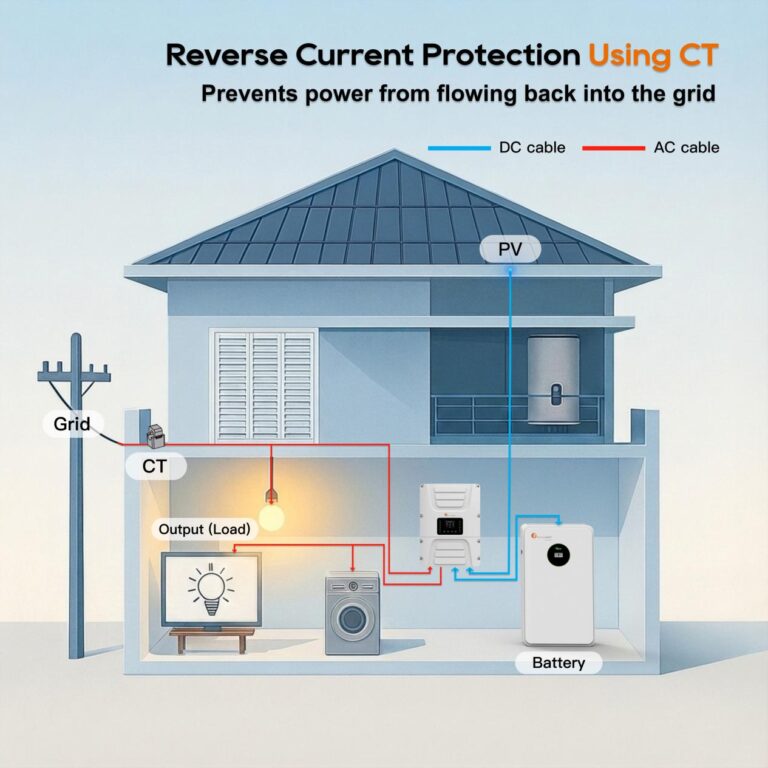
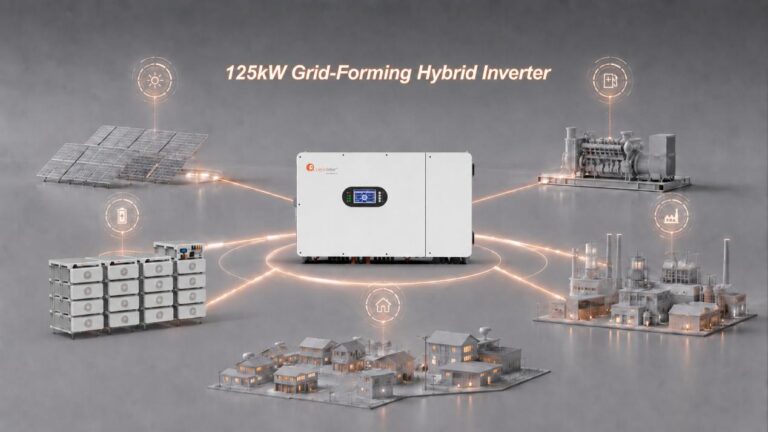
A 10kw hybrid inverter is specifically designed to work with both battery storage systems and grid-tied solar setups at the same time. It intelligently manages power flow between solar panels, batteries, home or business loads, and the utility grid, ensuring maximum energy efficiency and uninterrupted power supply. This dual functionality is one of the main reasons why a 10kw hybrid inverter is widely used in modern solar energy systems for residential and commercial applications.
How a 10kw hybrid inverter Manages Multiple Energy Sources
A 10kw hybrid inverter uses smart energy management technology to coordinate power from different sources without conflict.
- Solar priority usage:
The system first uses solar energy generated during the day to power connected loads, reducing dependence on the grid. - Battery charging and discharging:
Excess solar energy is stored in batteries, and when solar production drops, the 10kw hybrid inverterautomatically switches to battery supply. - Grid interaction flexibility:
When both solar and battery power are insufficient, the inverter draws electricity from the grid seamlessly. - Automatic switching system:
The transition between solar, battery, and grid is automatic and uninterrupted, ensuring stable power output.
This intelligent control makes the 10kw hybrid inverter highly efficient in multi-source energy environments.
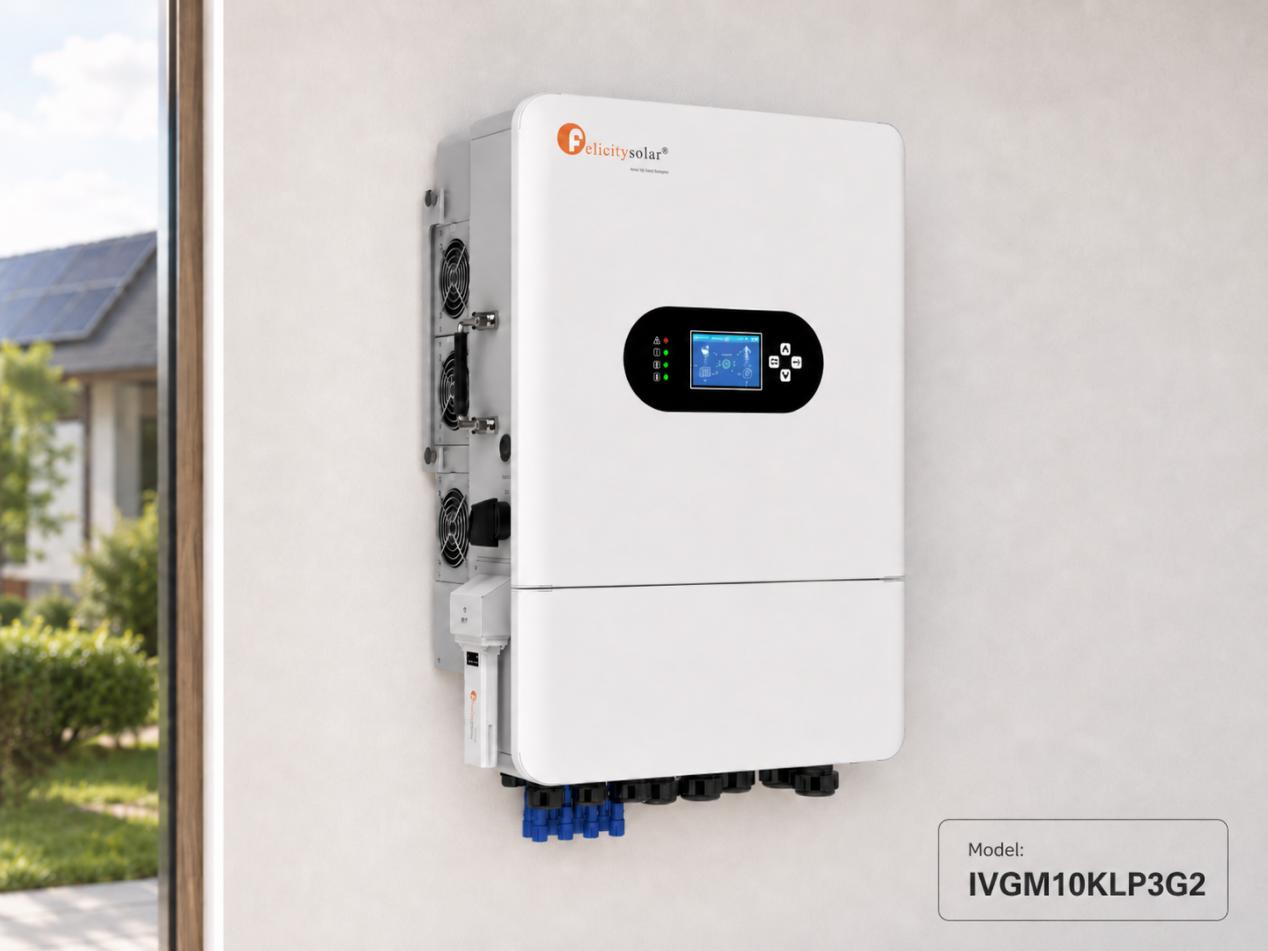
Key Technical Features and Performance Comparison
To better understand their functions and capabilities, the table below compares the typical characteristics of on-grid, off-grid, and hybrid inverters:
Features & Capabilities | Traditional On-Grid Inverter | Traditional Off-Grid Inverter | 10kW Hybrid Inverter |
| Grid Connection | Required (Shuts down instantly during grid blackouts) | Not grid-tied(cannot feed power back to the utility grid) | Supported (Can operate both grid-tied and independently) |
| Battery Storage Support | Not Supported | Required for operation | Supported (Works with or without batteries; ready for solar+storage expansion) |
| Bi-directional Power Flow | One-way: Feeds solar energy into the grid only | One-way: Powers local loads only | Supported (Feeds excess power to grid, stores in battery, and prevents reverse flow if needed) |
| UPS Backup Power Function | No | Yes | Yes (UPS-class <10ms automatic switching) |
| Smart Energy Scheduling (EMS) | None | Basic charge/discharge scheduling | Advanced (Supports peak-shaving, load-shifting, and time-of-use tariff optimization) |
| Core Application Scenarios | Residential homes looking solely to reduce electricity bills | Remote areas, off-grid cabins, or islands without grid access | Modern smart solar homes, areas with unreliable grids, and light commercial setups |
This table shows why the hybrid inverter is more suitable for modern energy systems that require flexibility and storage integration.
Advantages of Using a 10kw hybrid inverter in Dual Systems
When combining battery storage and grid-tied systems, the benefits become more noticeable.
- Energy independence improvement:
Users can store solar energy and reduce reliance on the utility grid, especially during peak hours. - Cost savings optimization:
The system reduces electricity bills by prioritizing solar and battery usage before grid consumption. - Stable backup power supply:
In case of grid failure, the 10kw hybrid inverterautomatically supplies stored battery power. - Smart load management:
It distributes energy efficiently based on demand, preventing overload or energy waste.
These advantages make it ideal for homes, offices, and small industrial setups.
Installation and System Compatibility Considerations
Proper installation is essential to ensure the 10kw hybrid inverter operates efficiently with both systems.
- Battery type compatibility:
Lithium-ion batteries are commonly recommended for better efficiency and longer lifespan. - Solar panel configuration:
The photovoltaic array must match the inverter’s input voltage range for optimal performance. - Grid connection standards:
Installation must comply with local utility regulations for safe grid-tied operation. - Professional setup required:
A certified technician is recommended to configure the system correctly and ensure safety.
Correct setup guarantees stable performance and long-term reliability of the 10kw hybrid inverter.
Common Issues and Maintenance Tips
Even though the system is advanced, regular maintenance ensures long-term efficiency.
- Battery degradation monitoring:
Over time, battery capacity may decrease, affecting backup duration. - Dust and ventilation control:
Keeping the inverter clean and well-ventilated prevents overheating issues. - Firmware updates:
Some 10kw hybrid invertermodels require software updates for improved performance. - Connection inspection:
Loose wiring or corrosion can reduce efficiency and should be checked regularly.
Routine maintenance helps extend the lifespan of the entire energy system.
FAQ
Q1: Can a 10kw hybrid inverter work without batteries?
Yes, it can operate in grid-tied mode without batteries, but energy storage benefits will not be available.
Q2: How long can a 10kw hybrid inverter provide backup power?
Backup duration depends on battery capacity and load demand, not the inverter itself.
Q3: Is a 10kw hybrid inverter suitable for off-grid systems?
Yes, it can support off-grid operation if paired with sufficient battery storage and solar panels.
Q4: Does a 10kw hybrid inverter automatically switch power sources?
Yes, it automatically switches between solar, battery, and grid power without interruption.
Conclusion
A 10kw hybrid inverter is fully capable of operating simultaneously with battery storage and grid-tied systems, making it one of the most flexible and efficient solutions in modern solar energy management. It intelligently balances energy flow, reduces electricity costs, and provides backup power during outages. With proper installation and maintenance, it can significantly improve energy independence and system reliability for both residential and commercial users.


