
A deep cycle lithium iron phosphate battery is a type of rechargeable battery technology that is highly stable, with long cycle and deep discharging capabilities as well as a long lifespan. Whether it is worth investing in is highly dependent on how much it costs in terms of lifecycle and efficiency in comparison to conventional battery technology.
Long Cycle Life and Stable Energy Performance
The biggest strength that the deep cycle lithium iron phosphate battery has over other batteries is its high cycle life and stability even when discharging deeply.
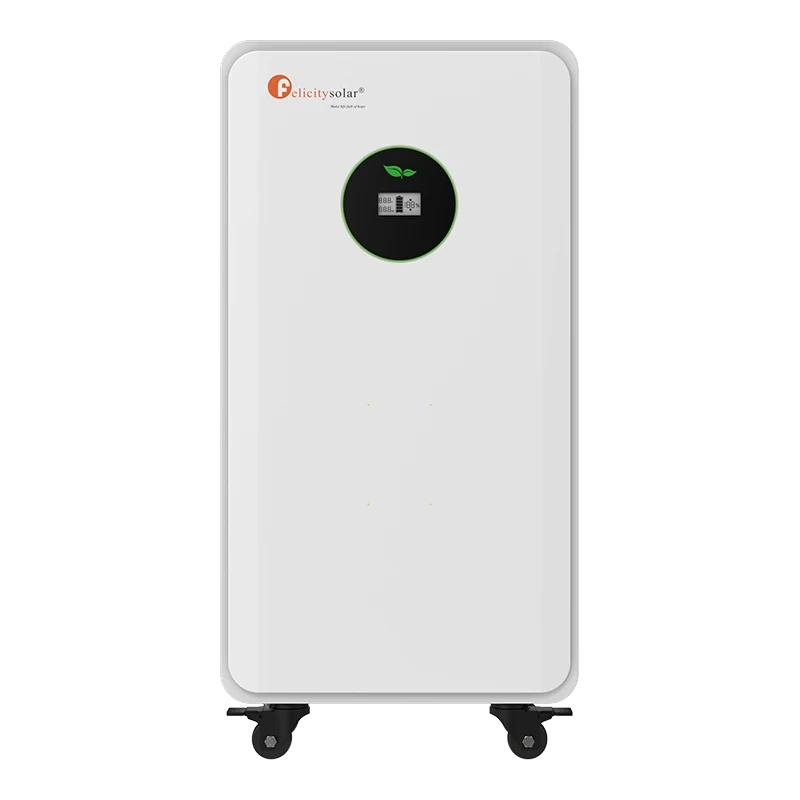
Typical technical performance includes:
- Cycle life: 4,000–6,000 cycles (premium systems up to 8,000 cycles)
- Depth of discharge: 90%–95% usable capacity
- Energy efficiency: 90%–95%
- Annual capacity degradation: around 1%–3%
This means the battery can support daily charge-discharge operations for over a decade under normal usage conditions.
Unlike conventional batteries that suffer voltage output instability when deep-cycled, LiFePO4 battery technology is designed such that the discharge cycle does not affect its voltage output stability. In addition, due to its modularity, LiFePO4 technology can be easily scalable from small residential installations to large-scale commercial battery systems.
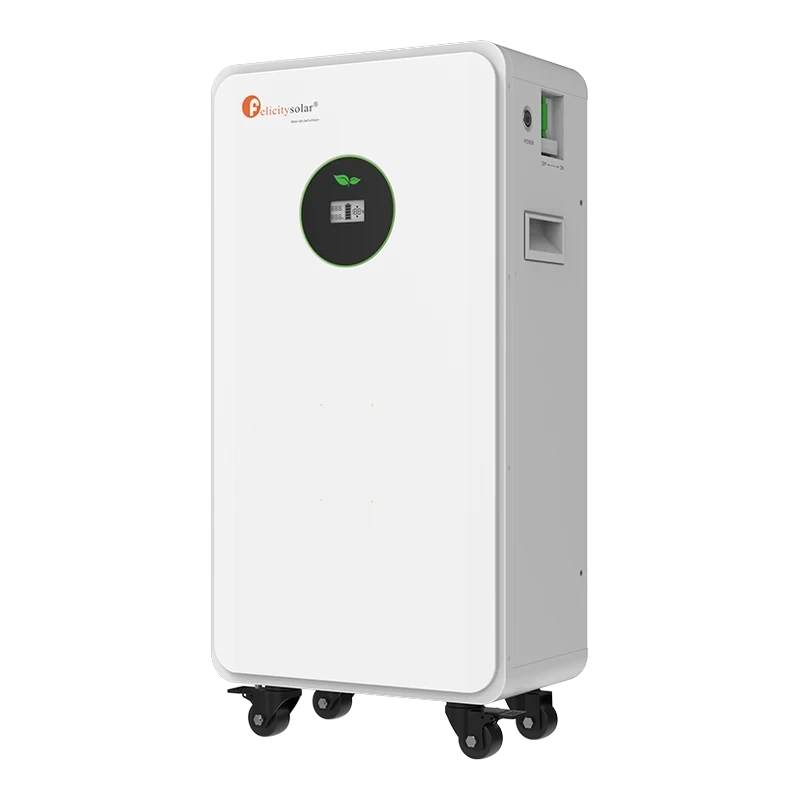
Safety Advantages and Thermal Stability
Safety becomes an important aspect during the design of energy storage systems, especially where residential and commercial energy storage is involved. Lithium Iron Phosphate batteries are known for their high thermal stability and safety features.
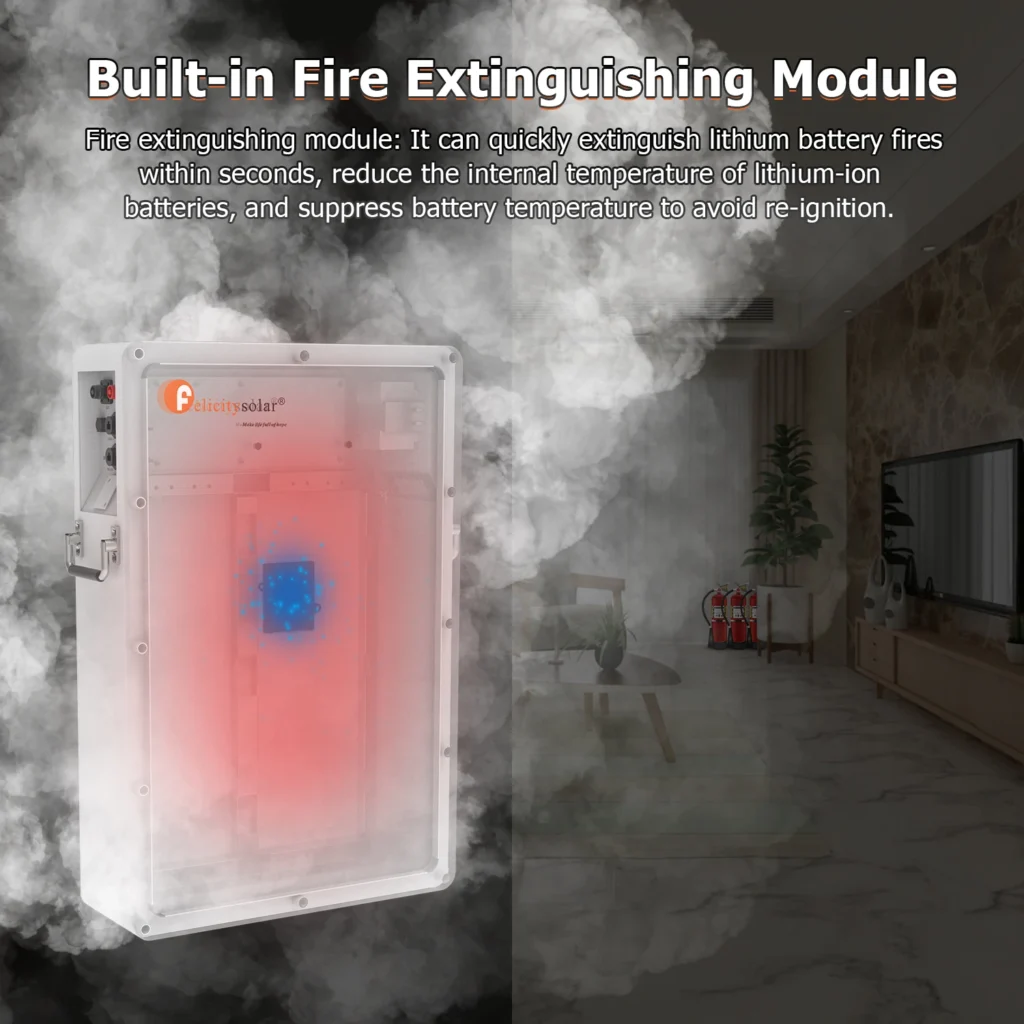
Key safety features typically include:
- Built-in Battery Management System (BMS)
- Overcharge and over-discharge protection
- Temperature monitoring and balancing control
- Electrical isolation via fuse and breaker systems
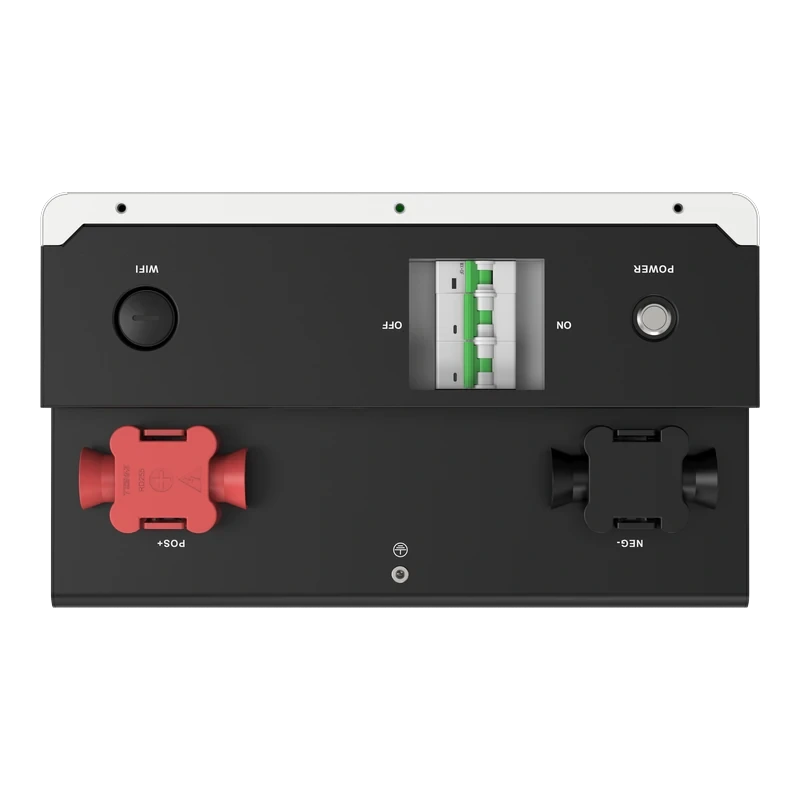
In practical applications of the technology, intelligent energy storage units can feature remote management capabilities using protocols such as WiFi and Bluetooth. This offers a chance to measure the efficiency of the battery usage and its functionality.
Application Scenarios and System Deployment
A deep cycle lithium iron phosphate battery is normally applied in many sectors because of its versatility and scalability.
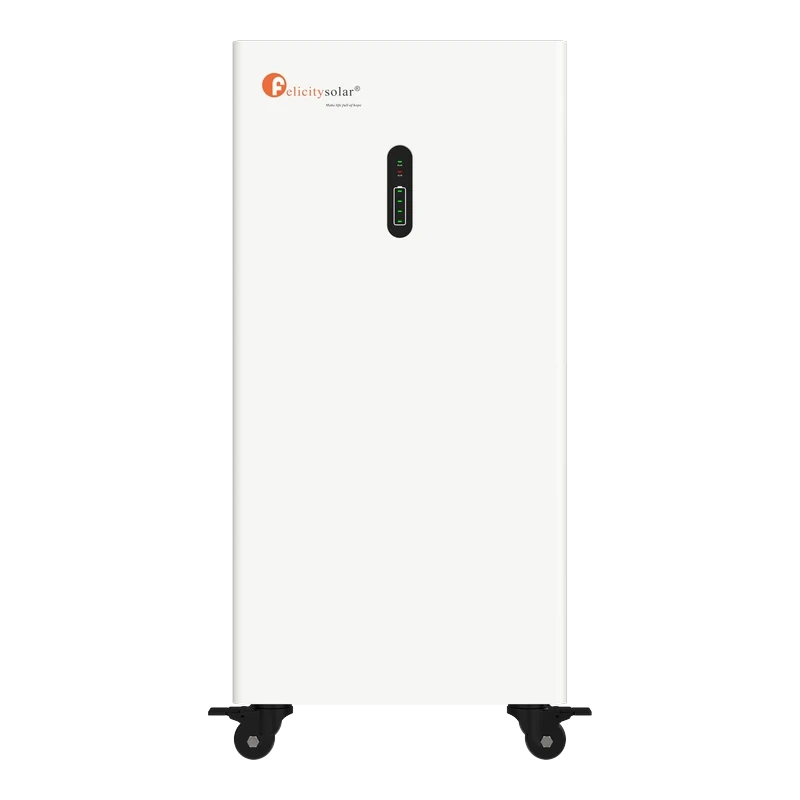
Common application scenarios include:
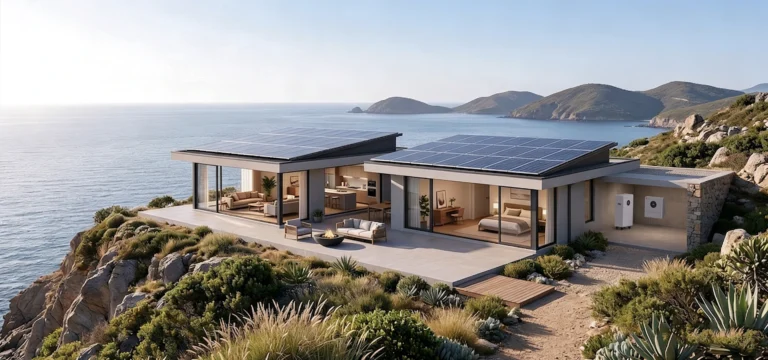
- Residential solar energy storage
- Commercial peak shaving systems
- Off-grid power supply systems
- Telecommunications and backup power infrastructure
Application overview table
| Scenario | Function | Requirement | System Behavior |
| Home solar | Night energy supply | Safety + stability | Daily cycling |
| Commercial buildings | Peak load shifting | High capacity | Energy optimization |
| Off-grid systems | Independent power | Reliability | Continuous output |
| Telecom base stations | Backup power | Zero interruption | High redundancy |
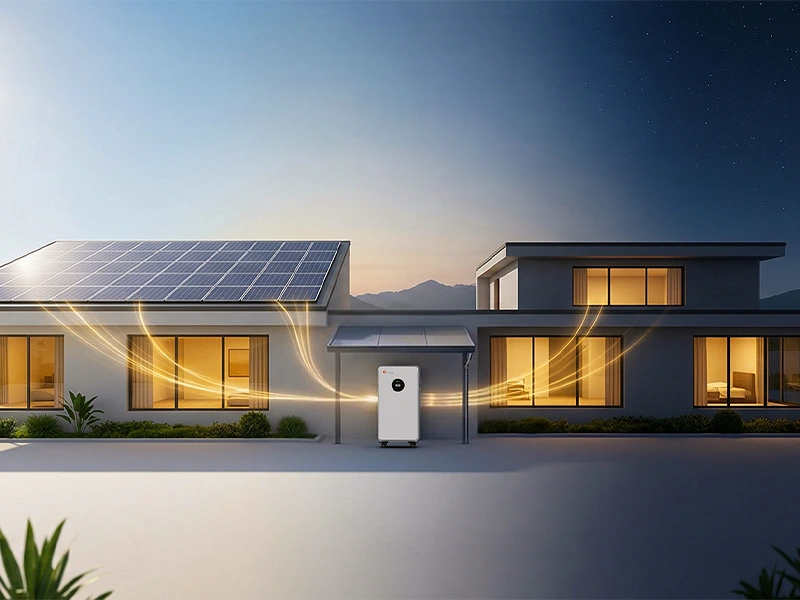
In residential solar projects, modular battery systems allow users to start with smaller capacity and gradually expand as energy demand increases. This scalability makes deep cycle lithium iron phosphate battery systems highly adaptable for both household and commercial applications.
Economic Efficiency and Lifecycle Cost
Although the initial investment is higher than conventional battery systems, the deep cycle lithium iron phosphate battery offers significantly lower total cost of ownership over time.
10-year cost comparison
| Metric | LiFePO4 Battery | Lead-Acid Battery |
| Service life | 8–12 years | 2–3 years |
| Cycle life | 4,000–6,000+ | 500–800 |
| Maintenance cost | Very low | High |
| Energy efficiency | 90%–95% | 70%–80% |
| Replacement frequency | Low | Frequent |
It is expected that total system savings may reach approximately 30% to 50%, mainly due to reduced replacement frequency and lower maintenance requirements over a ten-year period. As a result, it becomes an excellent choice for anyone looking to profit from solar energy in the long term.
Conclusion: Is It Worth It?
In conclusion, the battery exhibits various advantages that have been identified in relation to safety, durability, effectiveness, and efficiency. While the initial cost of buying this particular battery might be high, it is still regarded as the most cost-effective method of energy storage owing to its durability and maintenance-free feature.
The Deep Cycle Lithium Iron Phosphate Battery is an ideal choice of batteries for use in solar energy systems, off-grid power systems, and energy management systems for businesses.
At Felicity Solar, we supply reliable lithium battery storage systems that are used in many solar energy projects. We can be contacted anytime for any help.
FAQ
1. What is the lifespan of a deep cycle lithium iron phosphate battery?
Normally about 8-12 years under normal operating conditions, up to 4,000-6,000 complete charge-discharge cycles.
2. Is a deep cycle lithium iron phosphate battery safe to use at home?
Yes. Stable chemical composition and integrated BMS ensure that it is one of the safest lithium batteries.
3. Can it work with solar power systems?
Yes. It is widely used in solar energy storage systems due to its high efficiency and deep discharge capability.
4. Does it require maintenance?
No regular maintenance is required. Only basic system monitoring is needed to ensure optimal performance.


